Junhao Hu, Ph.D.
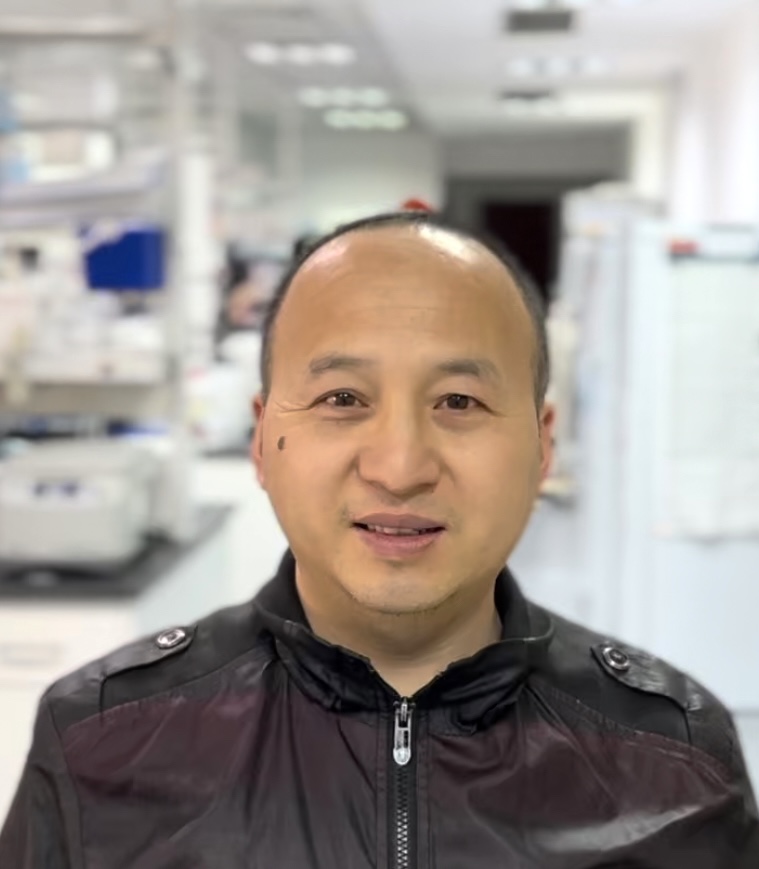
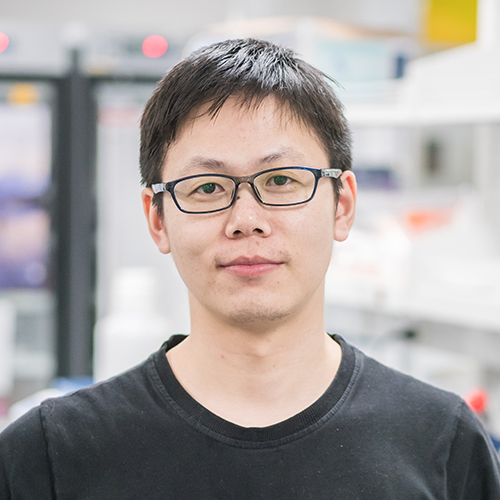
Dr. Junhao Hu is the principal investigator of the Laboratory of Vascular Biology and Organ Homeostasis. He received his Bachelor’s degree in Clinical Medicine from Anhui University of Science and Technology in 2002 and his Ph.D. in Biochemistry and Molecular Biology from the Shanghai Institute for Biological Sciences, Chinese Academy of Sciences, in 2007. He subsequently conducted postdoctoral research in the laboratory of Prof. Hellmut Augustin at the German Cancer Research Center (DKFZ). Dr. Hu returned to China in 2015 to join the Interdisciplinary Research Center on Biology and Chemistry (IRCBC), Chinese Academy of Sciences, where he established and leads his independent laboratory.
Read full research accomplishments ▼
After establishing his independent laboratory, Dr. Hu has focused on the mechanisms and functional significance of endothelial–pericyte crosstalk, as well as its potential for therapeutic intervention. His laboratory established a systematic landscape of endothelial–pericyte communication and identified NO–sGC signaling as a key pathway mediating their interaction during angiogenesis and vascular homeostasis. They demonstrated that NO–sGC signaling is essential for maintaining vascular integrity in adult tissues: disruption of endothelial–pericyte communication causes pericyte detachment and vascular leakage during lung injury, whereas activation of this pathway preserves pericyte coverage, maintains vascular integrity, and ameliorates tissue injury (He et al., J Exp Med, 2023). The laboratory further showed that NO–sGC signaling is dispensable for pericyte recruitment but essential for pericyte ensheathment and vessel maturation during tumor angiogenesis. Disruption of this pathway reduces pericyte coverage of tumor vessels, thereby sensitizing tumors to anti-angiogenic therapy and enhancing its therapeutic efficacy (Zhu et al., EMBO J, 2024).
Extending this work to organ fibrosis, his laboratory has used single-cell transcriptomics and genetic approaches to define the dynamic changes and transitions between functional states of hepatic stellate cells (HSCs), the specialized pericytes of the liver, during fibrosis. These studies revealed a cellular roadmap of HSC activation and demonstrated that HSCs are the major source of fibrogenic myofibroblasts in hepatotoxin-induced liver fibrosis. The laboratory further found that NO–sGC signaling is required for HSC quiescence but is absent from portal fibroblasts, and that this signaling is specifically disrupted during HSC-driven liver fibrosis. Pharmacological activation of the pathway suppresses HSC activation and reduces fibrosis, identifying NO–sGC signaling as a potential therapeutic target for HSC-associated liver fibrosis (Yang et al., Hepatology, 2021).
His laboratory has also investigated how endothelial cell fitness determine vascular regeneration and remodeling. By combining complementary genetic, lineage-tracing, transplantation, and parabiosis approaches, they demonstrated that endothelial cell fitness is a key determinant of vascular regeneration, resolving longstanding controversy over the contribution of bone marrow-derived cells and showing that an intact liver vasculature regenerates predominantly through expansion of resident endothelial cells (Singhal et al., J Exp Med, 2018). In another study, the laboratory identified endothelial KANK4 as a regulator of arteriogenesis and demonstrated that KANK4 controls vessel lumen size by potentiating VEGFR2 signaling in a TALIN-1-dependent manner, revealing a previously unrecognized mechanism by which endothelial cells intrinsically regulate VEGFR2 signaling and vascular remodeling (Zhang et al., ATVB, 2022).